Customize Your Green Curry Paste: Spice, Flavor, & Freezer Tips
Making your own Thai green curry paste might sound like a chef's secret, but it's surprisingly simple and incredibly rewarding. Forget store-bought compromises; with just 10 minutes and a blender, you can whip up an authentic, vibrant, and utterly delicious green curry paste that puts you in complete control. This comprehensive guide will show you how to create an
easy Thai green curry paste from scratch, empowering you to adjust the spice, fine-tune the flavors, and even batch-make and freeze portions for future culinary adventures. Get ready to elevate your home cooking and bring the true taste of Thailand to your kitchen!
Crafting Your Own: The Foundation of Flavor
The journey to an exceptional homemade green curry paste begins with understanding its core components and the simple steps to bring them together. The beauty of this process lies in its simplicity, making it a truly
easy Thai green curry paste to master in minutes.
- Toasting Spices for Depth: Don't skip this crucial step! Gently toasting whole spices like coriander seeds, cumin seeds, and white peppercorns over medium-low heat for 4-5 minutes awakens their essential oils, intensifying their fragrance and adding a beautiful depth of flavor to your paste. This small effort makes a significant difference. Once toasted, these need to be ground. A mortar and pestle offers the most traditional method, releasing complex aromas, but a spice grinder or your high-speed blender will work efficiently to achieve a fine powder.
- Preparing Aromatic Essentials: Thai green curry paste is a symphony of fresh aromatics. Lemongrass, galangal, kaffir lime zest, garlic, and shallots form the fragrant backbone. For fibrous ingredients like lemongrass, ensure you trim the tough outer layers and slice them thinly to aid in blending. Similarly, finely chop galangal and garlic. If using fresh kaffir lime leaves instead of zest (or in addition to), remove the central vein before chopping to prevent bitterness and ensure smooth blending.
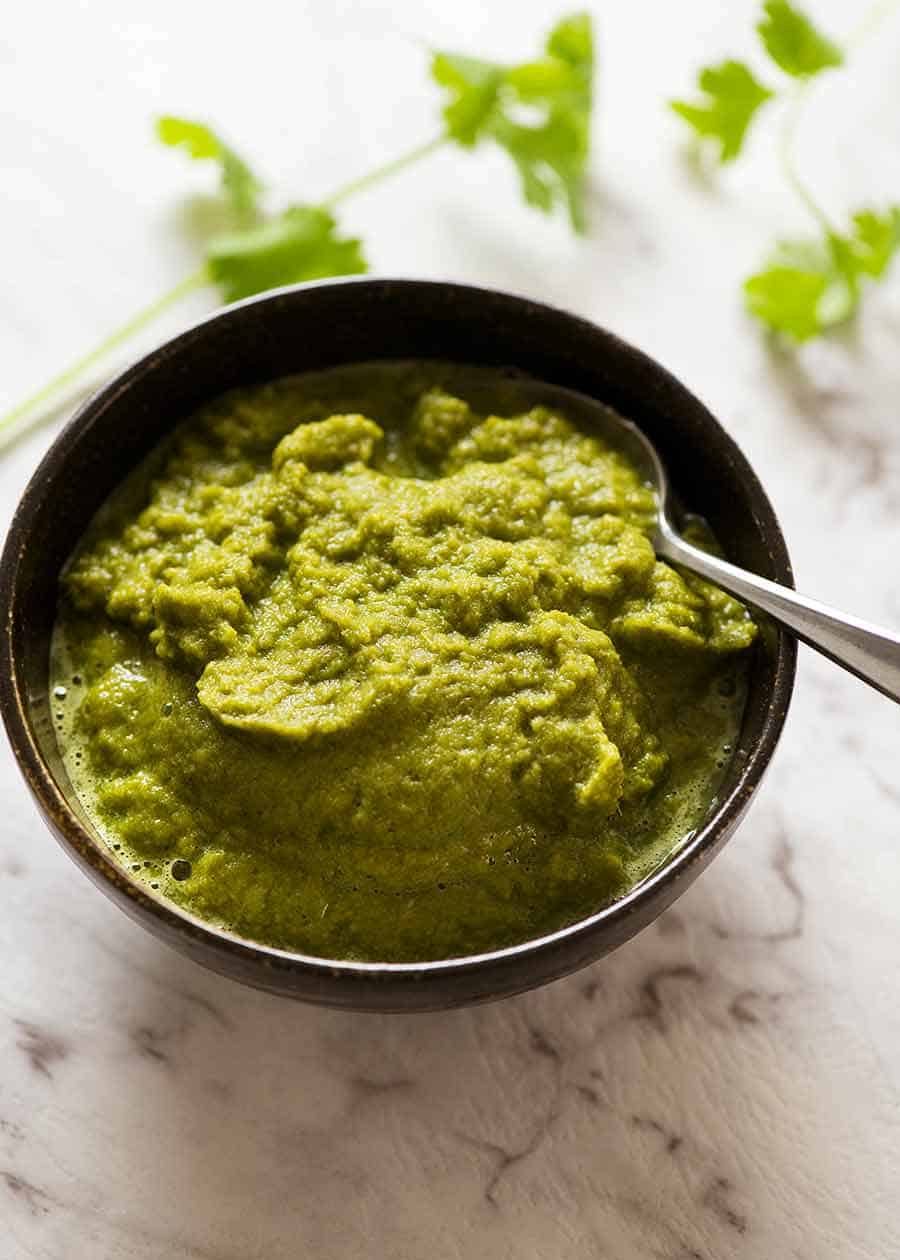
- The Blending Process: With your spices ground and aromatics prepped, combine them with the rest of your ingredients – green chilies (we'll dive into customization next!), cilantro roots (if available, they offer an authentic earthy note), and a touch of shrimp paste for umami depth (optional, but highly recommended for authenticity). Start by blitzing everything in your food processor or high-speed blender until it forms a coarse crumble. Then, continue blending, scraping down the sides as needed, until you achieve a smooth, vibrant green paste. A tiny splash of water or oil can help if it's struggling to come together, but avoid adding too much, as it can dilute the flavor.
Personalizing the Heat: From Fiery to Mild
Authentic Thai green curry is renowned for its fiery kick, often considered the spiciest of Thai curries. However, when you make your own green curry paste, *you* are the master of its heat profile. This control is one of the biggest advantages of a homemade version over even the best store-bought options.
- Chili Choices: The primary source of heat in your easy Thai green curry paste comes from green chilies.
- For Authentic Fire: Stick with small, potent Thai bird's eye chilies. A handful can deliver a serious punch.
- For Medium Heat: Combine bird's eye chilies with milder green chilies like Serrano peppers or even a few deseeded jalapeños. This allows you to retain some of that fresh green chili flavor without overwhelming your palate.
- For a Milder Experience: Opt for fewer chilies overall, or choose entirely milder varieties such as deseeded jalapeños or even green bell peppers (though this will alter the flavor profile slightly). Remember, you can always add more heat later in your actual curry dish, but it's much harder to reduce it once incorporated into the paste.
- Beyond Chilies: While chilies are the main player, other elements subtly contribute to the perception of heat or intensity. White peppercorns, when toasted, offer a sharper, more nuanced warmth than black pepper. Consider adjusting their quantity slightly if you're aiming for a very mild paste but still want some underlying warmth.
- Tip for Tasting: If you're unsure about the spice level, start with a conservative amount of chilies. After blending, you can carefully taste a *tiny* amount of the paste (it's intense!) or, better yet, cook a small spoonful into a little coconut milk to gauge the heat more accurately before committing the whole batch. This allows for adjustments before freezing.
Beyond Spice: Elevating Flavor Profiles
While heat is a signature, the true magic of an
easy Thai green curry paste lies in its complex interplay of aromatic and herbal notes. Customizing these elements allows you to truly make the paste your own, adding depth, brightness, and unique character.
- Aromatics & Herbs:
- Galangal vs. Ginger: Authentic green curry paste uses galangal, which has a sharper, more citrusy, and piney flavor than common ginger. If galangal is hard to find, use a slightly lesser amount of fresh ginger, but be aware it will subtly alter the traditional taste. For the best result, seek out fresh galangal!
- Kaffir Lime: Both the zest (from the rind of the fruit) and the leaves are crucial. The zest provides a powerful, bright citrus punch, while finely chopped kaffir lime leaves add an unmistakable floral and aromatic note. Don't skimp on these if you can help it. If fresh leaves are unavailable, dried ones can be rehydrated, or a good quality kaffir lime leaf paste can be a fallback.
- Cilantro Roots: Often overlooked, the roots of cilantro (coriander) provide a deep, earthy, and peppery flavor that significantly enhances authenticity. If you buy cilantro with roots intact, save them for your paste! If not, a bit more cilantro stem or even a small amount of fresh cilantro leaves can substitute, though the flavor profile will differ.
- Mint & Basil: Some recipes, particularly those leaning towards a fresher, more vibrant profile, incorporate fresh mint and/or Thai basil into the paste. This is a fantastic way to add an extra layer of herbaceousness and brightness. Start with a small handful and adjust to your preference.
- Umami Boosters:
- Shrimp Paste (Kapi): A small amount of fermented shrimp paste is traditional and provides a deep, savory umami that rounds out the flavors beautifully. It has a strong smell but transforms into an incredible depth when cooked. If you have shellfish allergies or prefer a vegan option, skip it.
- Soy Sauce/Fish Sauce: While not typically added *into* the paste itself, these are crucial for seasoning the final curry dish. However, if you are enhancing a store-bought paste (as discussed in Homemade vs. Store-Bought Green Curry Paste: Boost Flavor Tips), a dash of fish sauce can often help bridge flavor gaps.
- Balancing Act: Remember that a truly great Thai green curry paste balances heat, sourness (from lime, kaffir lime), saltiness (from shrimp paste, fish sauce later), and a subtle sweetness (often from palm sugar added during cooking). When customizing your paste, consider how each ingredient contributes to this delicate equilibrium. Don't be afraid to experiment with small adjustments to garlic, shallots, or lime zest to fine-tune the aromatic profile.
Batching, Storing, and Savory Success
One of the most appealing aspects of making your own
easy Thai green curry paste is the ability to batch-make it. This not only saves time in the long run but ensures you always have a vibrant, homemade foundation ready for quick weeknight meals or impressive dinner parties.
- Fresh Storage: Your freshly made green curry paste can be stored in an airtight glass container in the refrigerator for up to a week. Ensure it's tightly sealed to maintain freshness and prevent the strong aromas from permeating other foods in your fridge. A thin layer of oil poured over the top can also help create a seal and prolong freshness slightly.
- Freezer-Friendly Portions: This paste is incredibly freezer-friendly, making it perfect for meal prep.
- Portioning: The easiest way to portion your paste is using an ice cube tray. Spoon the paste into individual compartments. This allows you to thaw only the amount you need per serving. A standard ice cube typically holds 1-2 tablespoons of paste, which is often sufficient for a single serving of curry.
- Freezing: Place the ice cube tray in the freezer until the paste cubes are completely solid, usually a few hours.
- Transfer & Store: Once frozen, pop the curry paste cubes out of the tray and transfer them to a freezer-safe, airtight container or a heavy-duty freezer bag. Label the container with the date.
- Shelf Life: Properly stored, your homemade green curry paste cubes will retain their peak flavor and quality for up to three months in the freezer. While they might still be safe to consume after this, the freshness of the aromatics can start to diminish.
- Thawing & Using: When you're ready to use your frozen paste, simply take out the desired number of cubes. You can add them directly to your pot when starting your curry (e.g., sautéing with a little oil before adding coconut milk), or let them thaw for a few minutes at room temperature if you prefer. The convenience of pre-portioned, flavorful paste means a delicious, authentic Thai green curry is always within reach, even on the busiest of evenings.
Conclusion
Embarking on the journey of creating your own
easy Thai green curry paste is a culinary adventure that promises rich rewards. From the satisfying aroma of toasted spices to the vibrant green hue of the finished product, every step brings you closer to an authentic and deeply flavorful meal. By taking control of the ingredients, you not only ensure freshness but gain the power to customize the spice level, deepen the aromatics, and fine-tune every note to suit your personal palate. With practical tips for batch-making and freezing, you can easily incorporate this homemade delight into your regular cooking rotation, transforming weeknight dinners into extraordinary culinary experiences. So, gather your ingredients, fire up your blender, and prepare to impress yourself and your loved ones with the unparalleled taste of your very own custom green curry paste!