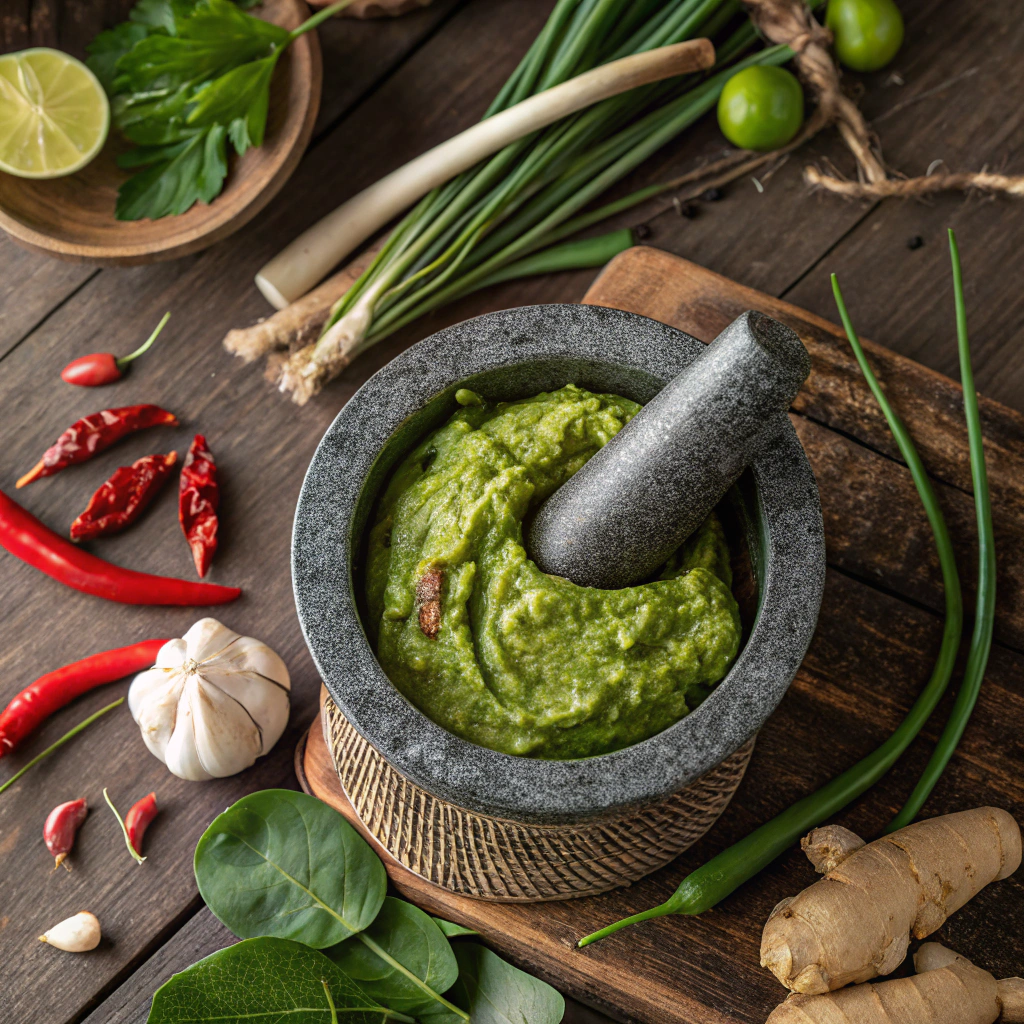
Thai green curry, known as kaeng khiao wan, is a culinary masterpiece celebrated for its vibrant color, aromatic complexity, and invigorating spice. At the heart of every unforgettable green curry dish lies its paste – a concentrated burst of flavor that dictates the final outcome. But the journey to that perfect bowl often begins with a fundamental decision: homemade or store-bought green curry paste? While convenience often sways our choices, understanding the nuances of each can transform your cooking. This article delves into the merits of both, offering comprehensive tips to boost the flavor of your green curry, ensuring every spoonful is an authentic delight, especially when starting with an easy Thai green curry paste.
The Allure of Homemade: Unlocking Authentic Flavor with Easy Thai Green Curry Paste
There’s an undeniable magic in creating something from scratch, and green curry paste is no exception. Opting for a homemade paste isn't just about cooking; it's about embarking on a sensory journey. The primary advantage of making your own easy Thai green curry paste is the unparalleled freshness and vibrancy it brings to your dish. Store-bought versions, while convenient, often lose some of their aromatic potency over time, and their ingredient lists can sometimes include preservatives or less-than-ideal additives.
With homemade paste, you gain complete control. This means deciding on the precise blend of herbs and spices, adjusting the heat level to suit your palate, and ensuring every ingredient is at its peak freshness. Imagine the zesty punch of freshly grated kaffir lime zest, the pungent warmth of galangal, and the fragrant kick of lemongrass, all coming together in a harmonious blend. This level of control allows for a truly personalized culinary experience, making an easy Thai green curry paste a rewarding endeavor rather than a daunting task. Furthermore, the act of toasting whole spices like coriander and cumin seeds before grinding them awakens their essential oils, releasing a depth of flavor that is simply unmatched by pre-ground alternatives.
Many home cooks shy away from making their own paste, fearing it's a labor-intensive process. However, modern kitchen appliances like high-speed blenders and food processors have made crafting an easy Thai green curry paste accessible and quick. What once required vigorous pounding in a mortar and pestle for extended periods can now be achieved in as little as 10-15 minutes, allowing you to enjoy authentic Thai flavors even on a busy weeknight.
Crafting Your Own: A Step-by-Step Flavor Journey
Creating your own green curry paste is a testament to the power of fresh ingredients and thoughtful preparation. The foundation of any authentic Thai green curry paste relies on a core group of aromatic components, each contributing a unique layer to the overall flavor profile. These typically include fresh green chilies (Thai bird's eye for heat, or serrano for a milder kick), lemongrass stalks, galangal (a cousin to ginger, with a more piney, citrusy aroma), kaffir lime zest and leaves, garlic, shallots, and a blend of toasted spices like coriander seeds, cumin seeds, and white peppercorns.
The Process:
- Toast the Spices: Begin by dry-toasting whole coriander seeds, cumin seeds, and white peppercorns over medium-low heat for 4-5 minutes until fragrant. This crucial step unlocks their deepest flavors.
- Prepare Aromatics: Chop fibrous ingredients like lemongrass stalks into small pieces to ensure smooth blending. Similarly, roughly chop galangal, shallots, garlic, and chilies.
- Blend to Perfection: Combine the toasted spices (either pre-ground in a spice grinder or added whole to your blender) with all the fresh aromatics. Add a splash of water or a neutral oil to help the blending process. Blitz initially to break down the ingredients into coarse crumbs, then continue blending, scraping down the sides as needed, until a smooth, uniform paste forms.
The beauty of this method is its inherent customizability. Want less heat? Reduce the number of chilies or opt for milder varieties. Crave more zing? Increase the kaffir lime zest or lemongrass. For more detailed insights on how to fine-tune your blend, consider exploring tips on Customize Your Green Curry Paste: Spice, Flavor, & Freezer Tips. This hands-on approach guarantees a paste that perfectly aligns with your taste preferences, delivering a truly unique and delicious curry every time.
Storage Savvy: Keeping Your Homemade Paste Fresh
One of the practical benefits of an easy Thai green curry paste recipe is its excellent shelf life when stored correctly. Once prepared, your homemade paste can be stored in an airtight glass container in the refrigerator for up to a week. For longer preservation, it’s incredibly freezer-friendly. Portion the paste into an ice cube tray, freeze until solid, then transfer the cubes to a freezer-safe bag or container. This allows you to thaw individual portions as needed, keeping your kitchen stocked with fresh, vibrant green curry paste for up to three months.
Elevating Store-Bought: Quick Hacks for Maximum Impact
While homemade paste offers unparalleled flavor, the reality of busy lives often means reaching for a store-bought option. There's absolutely no shame in this – many high-quality commercial pastes provide a solid foundation. However, store-bought pastes can sometimes lack the vibrant punch and aromatic depth of their homemade counterparts. They might be overly salty, too mild, or simply taste a bit flat compared to fresh. The good news is that with a few simple additions and techniques, you can significantly boost the flavor of any store-bought green curry paste, transforming it into something truly special.
Here are top tips to elevate your store-bought paste:
- Introduce Fresh Aromatics: This is arguably the most impactful tip. Even a good quality store-bought paste benefits immensely from a dose of fresh ingredients. Before adding the paste to your pan, sauté finely minced fresh garlic, shallots, ginger (or better yet, galangal if available), and lemongrass (finely minced or pounded) in a little oil. Cook until fragrant, then add your store-bought paste and continue to sauté. This infusion of fresh aromatics breathes new life and complexity into the pre-made base.
- Re-toast Spices: If your paste seems to lack depth, consider lightly toasting a small amount of whole coriander seeds and cumin seeds, then grinding them and adding them to the paste as you sauté it. This reintroduces that smoky, nutty warmth often missing.
- Add Fresh Herbs: Stir in a handful of fresh Thai basil, mint, or cilantro leaves towards the end of cooking. The fresh, bright notes of these herbs provide a wonderful contrast and lift the overall flavor profile.
- Balance with Essential Thai Condiments: Taste your curry and adjust. Store-bought pastes can sometimes be unbalanced. A splash of good quality fish sauce adds umami and saltiness, while a squeeze of fresh lime juice brightens the flavors. A touch of palm sugar (or brown sugar) can round out the profile, balancing any bitterness or acidity.
- Choose Wisely: Not all store-bought pastes are created equal. Look for brands that list fresh ingredients prominently and avoid those with excessive additives or fillers. Brands like Maesri (often found in cans) are frequently praised for their authentic flavor profile, serving as an excellent starting point for enhancement.
Flavor Boosters for Any Green Curry (Homemade or Store-Bought)
Beyond the paste itself, several techniques and ingredients can elevate the final green curry dish, regardless of whether you’ve crafted your paste from scratch or enhanced a store-bought version.
- Sauté the Paste: Always start by sautéing your green curry paste in a little oil, often with a spoonful of coconut cream, until it becomes fragrant and the oils separate. This process "blooms" the flavors of the paste, intensifying its aromatics and ensuring a richer final curry.
- Quality Coconut Milk: The choice of coconut milk significantly impacts the creaminess and richness of your curry. Opt for full-fat, good quality coconut milk or cream for the best texture and flavor.
- Kaffir Lime Leaves: Even if your paste includes kaffir lime zest, fresh kaffir lime leaves (bruised to release their oils) added during cooking provide an unparalleled citrusy, floral aroma that is quintessential to Thai green curry.
- Palm Sugar: Authentic Thai curries master a balance of sweet, sour, salty, and spicy. Palm sugar is the traditional sweetener, offering a caramel-like depth that rounds out the flavors beautifully.
- Fish Sauce: This fermented anchovy sauce is the backbone of Thai savory dishes, providing essential umami. Use good quality fish sauce and adjust to taste, adding it towards the end of cooking to preserve its delicate flavor.
- Fresh Herbs at the Finish: A final flourish of fresh basil, cilantro, or even a sprinkle of chopped red chilies and kaffir lime leaves just before serving adds vibrancy, aroma, and a professional touch.
Whether you choose to embark on the rewarding journey of making your own easy Thai green curry paste or opt for the convenience of a store-bought option, understanding how to maximize flavor is key. Homemade paste offers unparalleled freshness and customization, allowing you to tailor every nuance to your preference. Yet, with a few strategic additions and techniques, even a store-bought paste can be transformed into a vibrant, complex, and incredibly delicious green curry. The ultimate goal is a dish that delights your senses and transports you to the bustling streets of Thailand. So, experiment, taste, and enjoy the process – your perfect green curry awaits!
